Earn as you play
Paid to Play
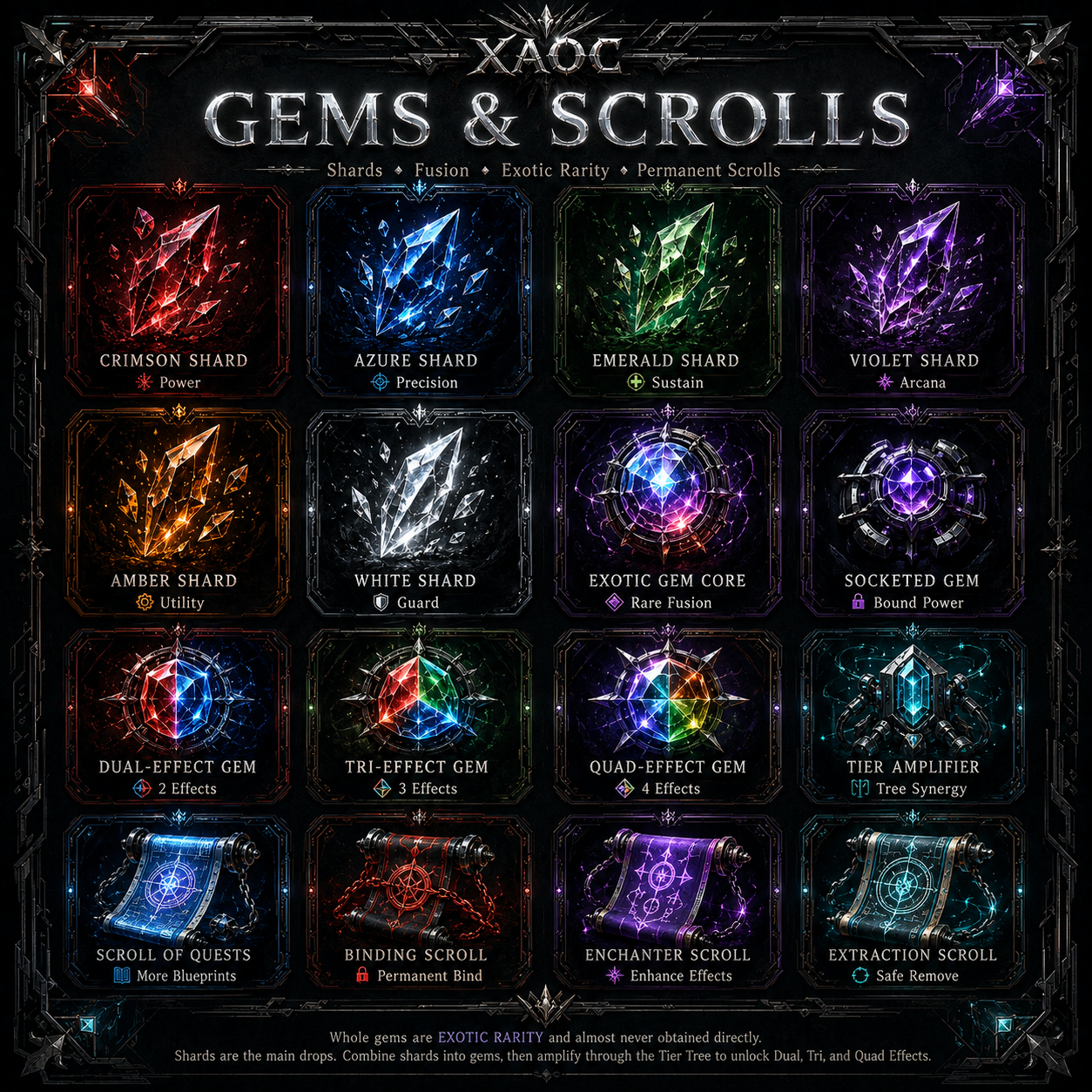
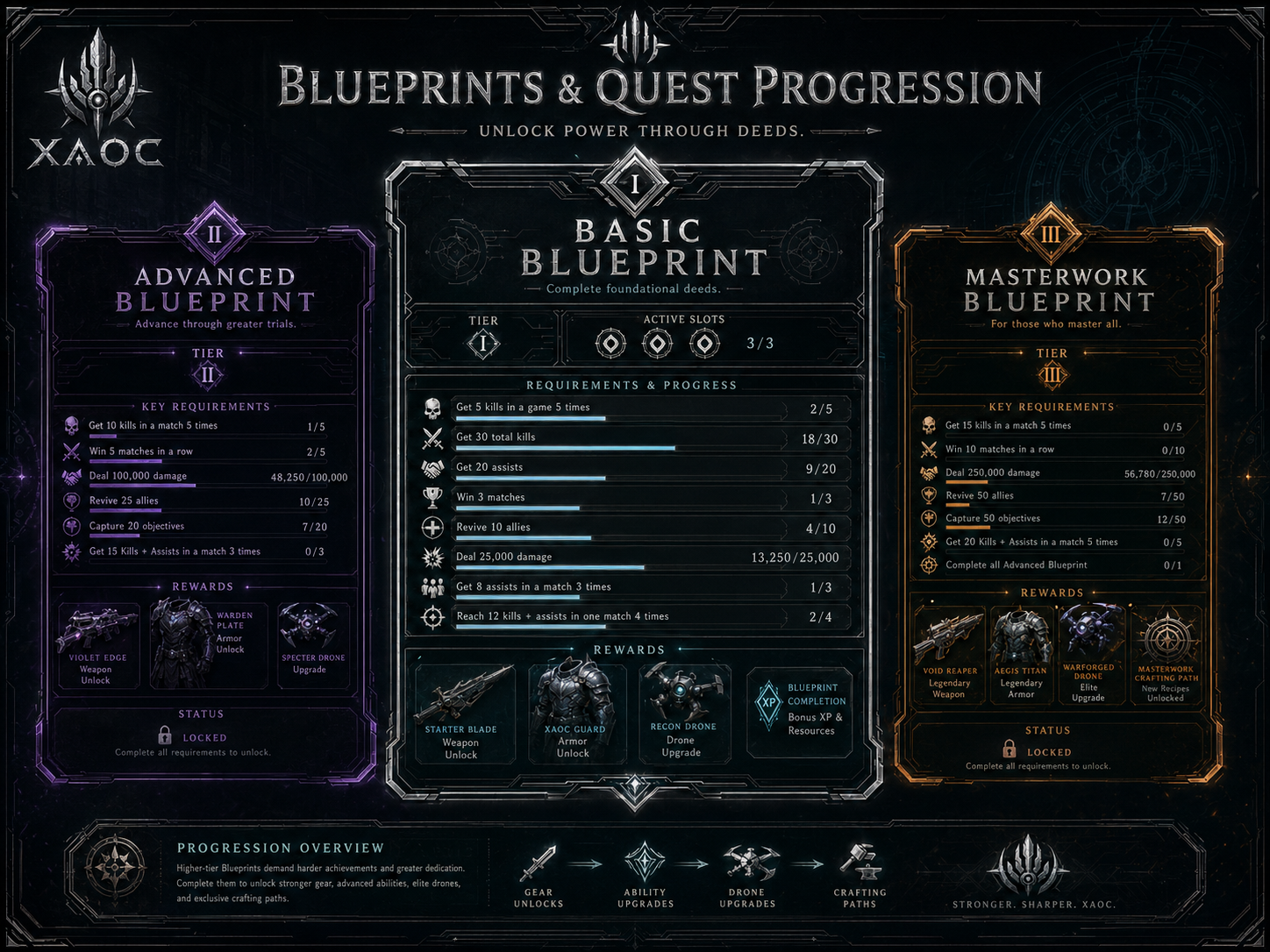
The Xaoc economy turns battle, crafting, trading, rare drops, blueprints, shards, gems, scrolls, and player strategy into a living marketplace where dedicated players can build value inside the realm.
The Xaoc economy turns battle, crafting, trading, rare drops, blueprints, shards, gems, scrolls, and player strategy into a living marketplace where dedicated players can build value inside the realm.
In Xaoc, the battlefield does not end when the match is over. Every shard collected, every rare scroll discovered, every blueprint finished, every drone component salvaged, and every weapon forged can become part of a player-supported economy.
Players who grind harder, fight smarter, craft better, and understand market demand can cash out eligible balances, reinvest into stronger builds, grow clan resources, or keep building a larger in-game account balance.
Real-money redemption, balance features, marketplace access, and player finance systems are subject to eligibility, account verification, platform rules, region rules, and final legal/compliance review.
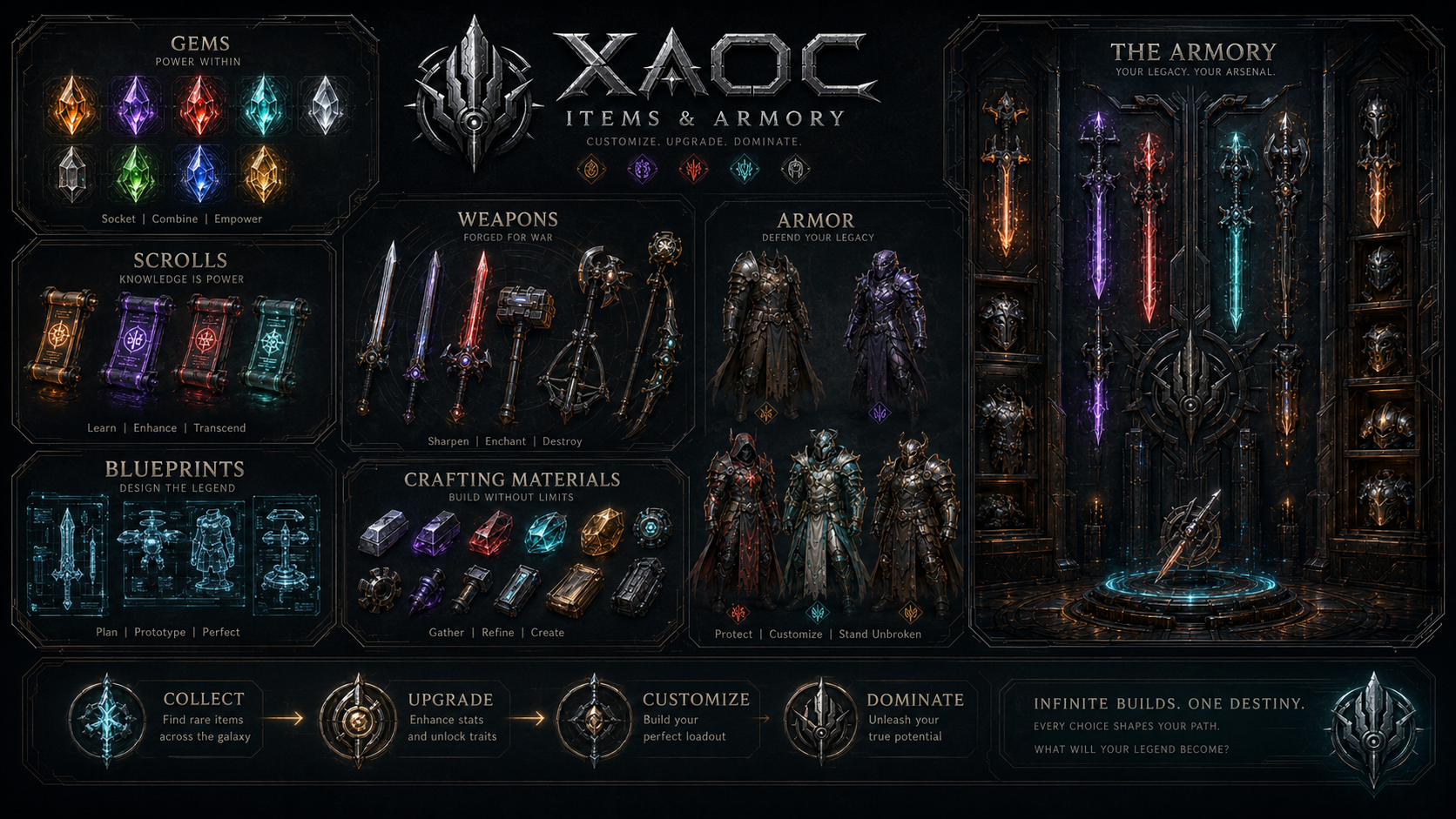
Xaoc currency connects matches, quests, crafting, auction listings, blueprints, lending, and clan strategy.
Gain currency from match performance, quests, kills, assists, victories, revives, damage dealt, mini-boss defeats, portal seals, cart progress, and rare objective rewards.
Use currency to buy shards, gems, scrolls, weapon parts, armor pieces, blueprints, drone components, crafting materials, and rare class relics.
Eligible players may redeem supported balances for real money where available, or hold and reinvest currency to grow stronger through the market.
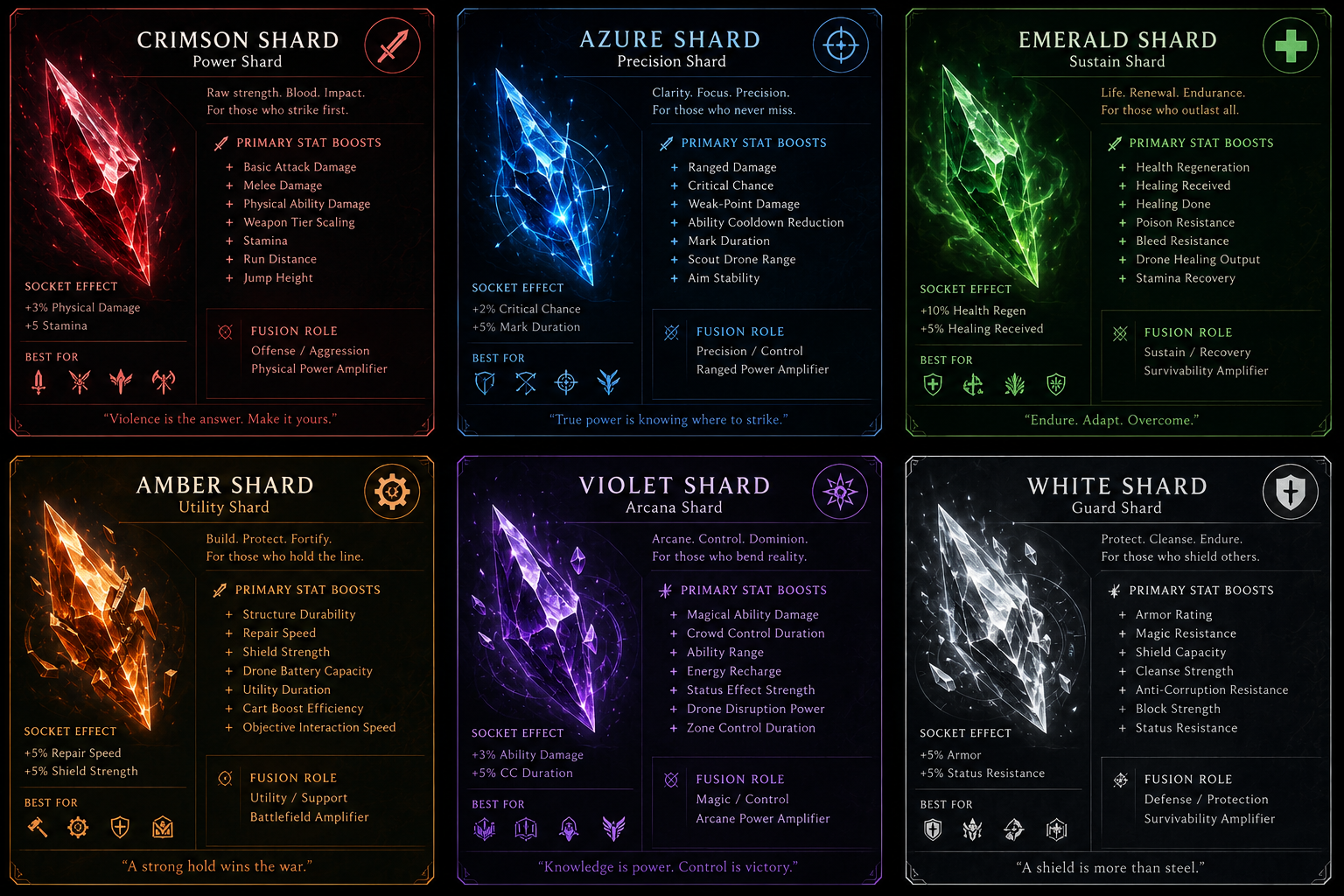
The Auction House is the economic heart of Xaoc. Players can sell whole items, dismantled parts, scrolls, finished blueprints, shards, full exotic gems, rare weapons, armor, drone components, enchantment cores, crafting materials, and class relics.
Paid to Play is built for players who spend real time mastering the realm.
Earn through kills, assists, wins, revives, captures, damage, defense, and match impact.
Turn shards, parts, blueprints, and materials into finished items with higher market demand.
Watch the auction house, buy undervalued assets, and sell into class demand or seasonal events.
Support player-to-player liquidity through asset-backed lending and automated repayment systems.
The Player Bank lets players request currency loans backed by their own in-game assets. The system calculates liquidatable inventory value, checks current marketplace pricing, and confirms whether the borrower has enough eligible assets to support the loan.
Lenders can fund loans with more confidence because repayment is protected by collateral rules, liquidity holding, auction recovery, and item restrictions. Borrowers can access currency without instantly selling the gear they worked to earn.
Loans are secured by items, not promises.
Players choose which weapons, armor, gems, scrolls, blueprints, or materials to place into liquidity holding until the loan is paid back.
If players choose auto-pick, Xaoc selects enough eligible items to match the requested loan amount at current market value.
Collateral items can still be equipped and used in battle, but cannot be sold, dismantled, disenchanted, upgraded, transferred, or used for another loan.
If a borrower fails to repay from their balance, assets in liquidity holding move into recovery. The system may dismantle items into parts or sell items as-is through the auction house to repay the lender.
If the items sell at their expected value, the lender is repaid. If the items take longer to sell, repayment waits for auction recovery. If recovered items sell above their estimated value at the time of the loan, the surplus belongs to the game-owned bank as part of the recovery system.
This structure gives borrowers liquidity, gives lenders repayment protection, and gives the game economy a controlled recovery layer.
A real player economy needs structure, tracking, and protection.
Every major trade, listing, loan, recovery, dismantle, enchantment, and transfer should have item history and audit records.
Anti-duplication checks, collateral locks, listing records, fees, marketplace limits, and account verification protect the realm from abuse.
The game-owned bank controls recovery rules, surplus recovery, marketplace safeguards, lending rules, and system-level liquidity policies.